
Navigating the Climate Conundrum: How Systemic Weather Shifts Demand a New Logistics Strategy
Extreme weather is no longer a series of isolated incidents but a systemic force reshaping global logistics. This brief explores how these compounding climate risks impact supply chain flows, financial stability, and how advanced visibility platforms like MGS are essential for resilience in a world caught between deluges and dry beds.
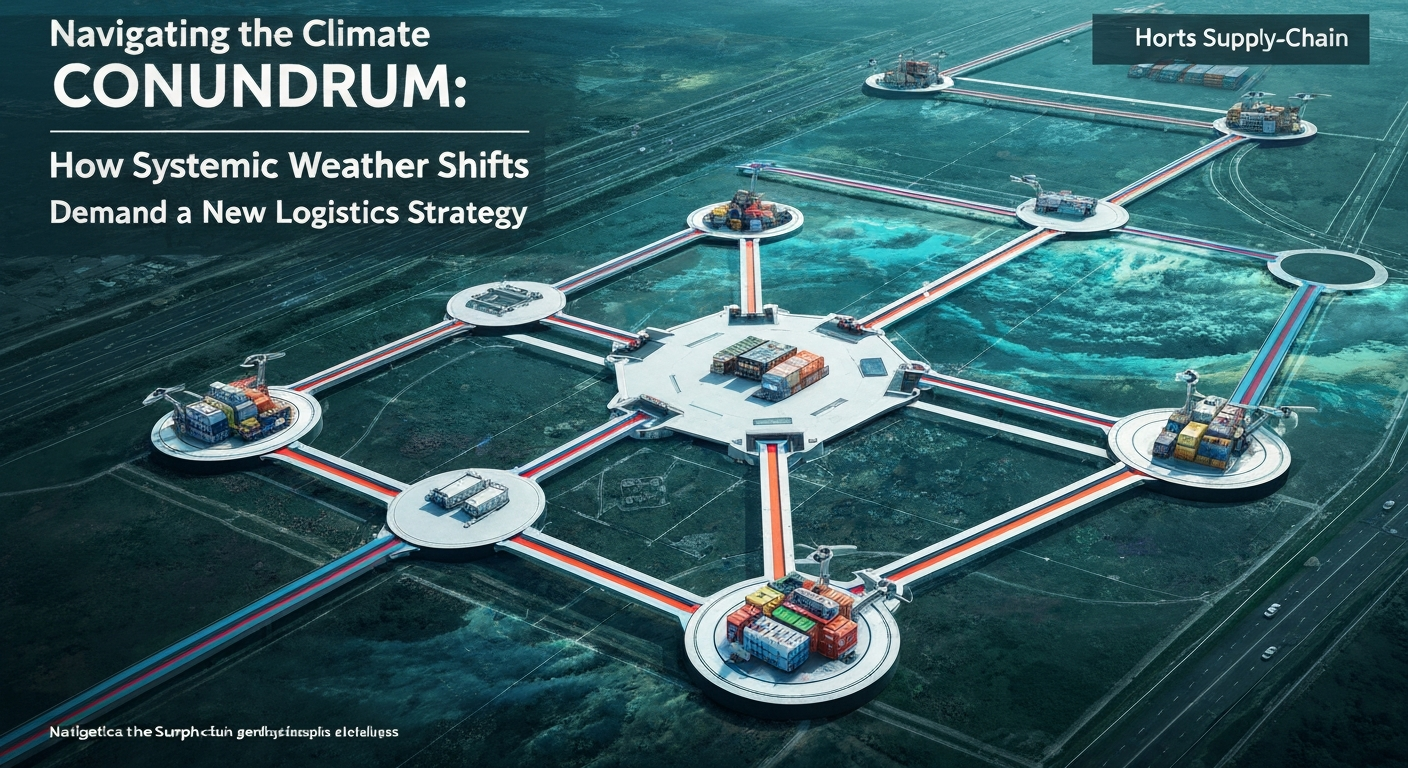
How this impacts the global supply chain
The traditional view of weather as temporary detours is obsolete. Climate-driven disruptions are now systemic and interconnected, creating a "water volatility" paradox – extreme flooding alongside severe droughts. This fundamentally reshapes global supply chains.
- Flows: Cargo flows are unpredictable. River transport faces severe restrictions from low water, forcing reliance on costlier road/rail. Torrential rains cause flash flooding, submerging infrastructure, halting movement, and requiring expensive rerouting or idle cargo.
- Routes: Established trade routes are unreliable. Major maritime choke points are affected by drought (restricting draft) and storms. Overland routes face frequent closures from landslides or infrastructure damage. This demands dynamic planning and identifying resilient, often longer and costlier, alternative corridors.
- Capacity: Available capacity across all modes is shrinking or volatile. Port closures due to hurricanes or unnavigable rivers create immediate bottlenecks, straining adjacent facilities and alternative modes. This leads to equipment shortages, congestion, and increased freight rates. Air cargo can be grounded by severe storms or extreme heat, contributing to systemic capacity reduction.
- Operations: Day-to-day logistics are in perpetual crisis management. Planning cycles shorten, demanding real-time decision-making. Warehousing faces flooding, power outages, or extreme temperatures, impacting storage and labor. Manufacturing schedules are disrupted by delayed inbound materials or inability to ship. The focus shifts from efficiency to adaptability, requiring robust contingency plans and deep network understanding.
Global financial impact
Systemic climate disruptions translate into escalating financial burdens across the trade ecosystem, moving beyond mere "headaches" to significant, unbudgeted cost drivers.
- Shippers: Face higher freight rates from rerouting and capacity shortages, increased demurrage/detention, and expediting fees. Indirect costs include increased inventory holding (for buffer stock), lost sales from stockouts, and penalties for missed deliveries. Resilient packaging or specialized storage also adds to product costs. Supply chain risk premiums are now embedded.
- Carriers: Bear operational challenges. Fuel costs rise from longer routes and congestion. Maintenance and repair increase due to harsher conditions or damage. Insurance premiums climb with claim frequency/severity. Reduced asset utilization from closures impacts profitability, and unpredictability hinders investment.
- Trade at large: The cumulative effect is a drag on global trade. Higher logistics costs translate to consumer price inflation. Supply chain instability deters foreign direct investment and can shift manufacturing bases. Market volatility increases as commodity prices react to disruptions. This systemic risk impacts trade finance, as banks become warier. The global economy experiences reduced efficiency, slower growth, and increased vulnerability, necessitating a costly "just-in-case" approach.
How MGS can help navigate today's global trade environment
In an environment where extreme weather is systemic and compounding, real-time, end-to-end shipment visibility is a critical operational imperative. MGS, as a shipment-visibility control tower, provides the intelligence to transform reactive responses into proactive strategies.
- Real-time Risk Identification and Mitigation: MGS integrates data from carriers, IoT sensors, weather feeds, and port status for a unified, real-time view. When a hurricane forms or river levels drop, MGS flags affected shipments and routes, enabling proactive rerouting, consignee communication, or contingency activation before problems escalate. This foresight allows for timely action, rather than reactive damage control.
- Enhanced Decision-Making for Rerouting and Mode Shifts: MGS visualizes disruption impacts across the network. If a port closes, MGS shows alternative ports, congestion, and projected transit times for rerouted cargo. This data-driven insight facilitates rapid decisions on mode switching (e.g., river barge to rail), vessel rerouting, or holding shipments, minimizing financial impact and ensuring supply continuity through "what-if" scenario modeling.
- Optimized Inventory Management and Replenishment: Systemic disruptions create lead time uncertainty. MGS provides dynamically adjusted ETAs based on real-time conditions. This precision optimizes inventory levels, reducing excessive buffer stock while mitigating stockout risks. Knowing exact locations and revised arrival windows for critical goods helps synchronize inbound supply with manufacturing and outbound distribution, preventing costly overstocking or crippling shortages.
- Improved Stakeholder Communication and Collaboration: During disruptions, clear communication is paramount. MGS provides a single source of truth for all stakeholders. Automated alerts and shared dashboards ensure everyone has the latest information on status, delays, and revised plans. This transparency fosters trust, reduces manual inquiries, and enables collaborative problem-solving for complex, climate-driven disruptions.
- Data-Driven Resilience Strategy Development: Beyond immediate response, MGS's historical data offers invaluable insights into the frequency, duration, and impact of climate disruptions on specific routes. This data informs network design changes and the development of robust, data-backed resilience strategies. It moves companies from guessing where risks lie to knowing precisely, enabling strategic investments in diversification or alternative infrastructure.
Demand–supply analysis & improvement
Systemic extreme weather fundamentally alters the demand-supply balance. Traditional forecasting, based on historical stability, struggles to predict supply availability and lead times.
- Impact on Supply: Climate events directly constrain supply. Floods damage agriculture or facilities; droughts impact water-intensive industries and river transport. Port closures and route disruptions reduce available supply, creating artificial scarcity and price spikes. Supply reliability, a manufacturing cornerstone, is severely eroded.
- Impact on Demand: While direct demand destruction can occur, the primary impact is through volatility and uncertainty. Consumers and businesses react to perceived shortages with panic buying, straining disrupted chains. Conversely, extended delays can shift or lose demand entirely. Inability to reliably meet demand due to systemic supply shocks creates market instability.
- Improvement Levers:
- Network Diversification and Regionalization: Multiple production/distribution hubs in different regions buffer against localized climate impacts, reducing reliance on vulnerable long-haul shipping.
- Dynamic Inventory Positioning: Agile approaches, strategically pre-positioning safety stock closer to vulnerable demand points or anticipating known seasonal risks, require sophisticated forecasting and real-time visibility.
- Enhanced Predictive Analytics: Integrating advanced weather forecasting with supply chain data allows for more accurate disruption predictions, enabling proactive adjustments to production, inventory, and transport.
- Supplier Collaboration and Transparency: Stronger relationships, understanding supplier vulnerabilities and contingencies, enable joint risk assessment and collaborative mitigation.
- Multi-Modal Flexibility: Investing in the capability to easily switch between transport modes offers critical flexibility when one mode is incapacitated, ensuring continued goods flow.
ROI-focused resilience
The shift to systemic, compounding climate risks redefines supply chain resilience. Investing in resilience is a strategic imperative with clear, though often unquantified, ROI. The "rewriting of logistics strategy" implies the cost of not investing far outweighs upfront expenditure.
- Quantifying the Risk of Inaction: The source highlights "systemic, compounding risks," implying increasing frequency, severity, and interconnectedness. Inaction leads to:
- Lost Revenue: From stockouts, inability to deliver, or market share erosion.
- Increased Operating Costs: Expediting, demurrage, higher freight rates, inventory holding, and crisis management.
- Brand Damage: From unreliable service.
- Cumulative Disruption Costs: Industry estimates for major disruptions are in the millions or billions; with systemic risks, these costs become more frequent and compound.
- Resilience as an Investment: Framing resilience actions as investments means understanding their protective benefits.
- Investment in Visibility (e.g., MGS): ROI from reduced expediting, lower demurrage/detention, optimized inventory (preventing stockouts and overstocking), improved customer satisfaction, faster recovery, and enhanced negotiation power through data.
- Investment in Network Diversification: Protects against single points of failure. ROI comes from ensuring supply continuity, avoiding shutdowns, and maintaining market share, offsetting setup costs with avoided disruption costs.
- Investment in Multi-Modal Capabilities: Reduces reliance on a single, vulnerable option. ROI is in maintaining flexibility and avoiding high costs of immobility.
- Investment in Predictive Analytics and Scenario Planning: Enables anticipation and modeling of climate impacts, leading to proactive adjustments and reduced unpreparedness. ROI is in avoiding costly reactive measures and making informed strategic decisions. Ultimately, resilience is a strategic investment safeguarding revenue, protecting brand value, and ensuring business continuity in a volatile climate landscape.
Source: Logistics Viewpoints — https://logisticsviewpoints.com/2026/07/13/from-deluges-to-dry-beds-how-extreme-weather-is-rewriting-logistics-strategy/